
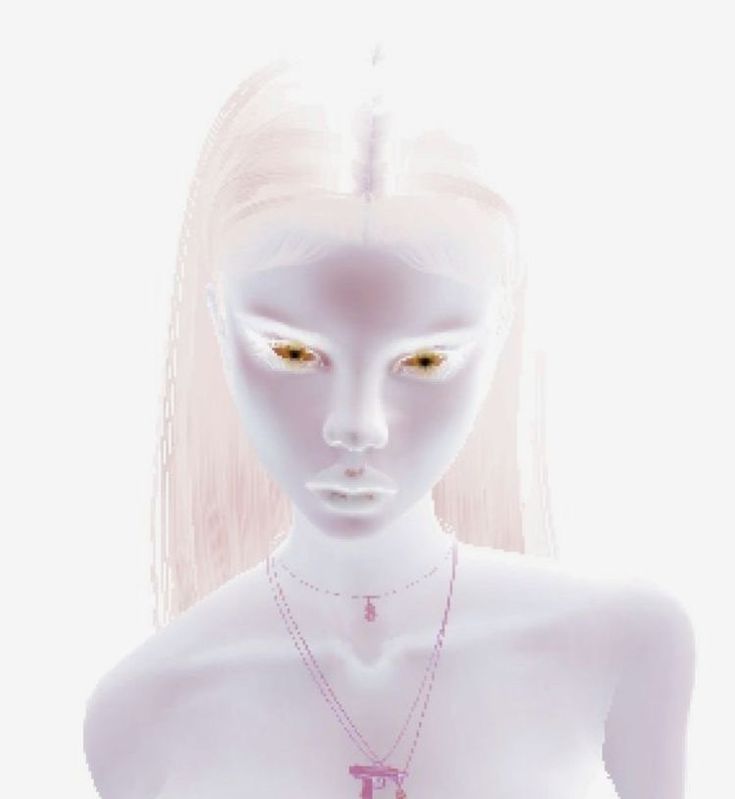
Image and video generation solved supply. Anyone can produce a thousand on-model photos before lunch, so a photo alone is worth roughly nothing. What is still scarce, the actual bottleneck this whole niche runs on, is belief. A fan on an AI-creator account usually knows, or at least suspects, that nobody photographed this woman. He stays anyway when the conversation gives him a reason to, and that reason is never the image.
The mistake we see constantly is agencies treating this like a pure content play, because content got cheap to make. Post more, generate more, flood the grid. That is exactly backwards. When content stops being scarce, the DM is the only scarce thing left on the account, and it is the only place a fan can still tell whether anyone is actually there.
The platform decision comes first
Fanvue built an actual AI Creator category for this: a disclosure checkbox at signup, a hashtag requirement on synthetic posts, and a platform stance that treats AI creators as a legitimate lane rather than something to bury. OnlyFans runs the opposite policy. A real, verified person has to sit behind every account, and AI content there has to represent that verified human, not a wholly invented one. Put a fully synthetic persona on the wrong platform and the problem is not slow growth, it is a takedown. We build AI-creator accounts on Fanvue for exactly this reason, and we keep the disclosure visible instead of buried in a bio nobody reads.
Content stopped being the moat
Once generation is commodity, the image gets three seconds of attention in a scroll and gets forgotten. The DM is what decides whether a fan treats the account like a free gallery or like someone worth paying. We price around access and customs, the same as any relationship-driven niche, because volume of images was never actually the product here. It just used to be the only thing an account could reliably supply.
The persona bible has no photo shoot to lean on
A human creator’s small inconsistencies read as personality: a bad mood, a typo, an off day. A generated persona does not get that grace. The same slip reads as a script glitch, and one contradicted detail can unravel the entire illusion inside a single conversation. So the canon has to be written once and held without exception: age, hometown, job, how she actually types, what she would never say. Nothing improvised, nothing left to a chatter’s judgment call in the moment.
What we guard
Two things, non-negotiably. Voice consistency against the canon file, because that is the entire product here. And disclosure compliance, because the moment an account tries to pass a synthetic persona off as a real photographed woman, it stops being a business and starts being a platform violation waiting to get flagged.